How to Clean Pavers Without Washing Away Jointing Sand
@louisojmn290
Paved outdoor entertainment areas, driveways, and pathways are staples of homes across Rockhampton. While concrete and natural stone pavers are durable enough to handle Central Queensland's intense heat and wet season storms, regular cleaning is essential to remove built-up dirt, algae, and mould. The primary challenge when washing pavers is preserving the jointing sand. This sand locks the pavers in place, absorbs structural movement, and prevents weeds from taking root. Washing it away compromises the integrity of your paving, leading to shifting, sinking, and rapid weed growth.
The Risk of High-Pressure Washing
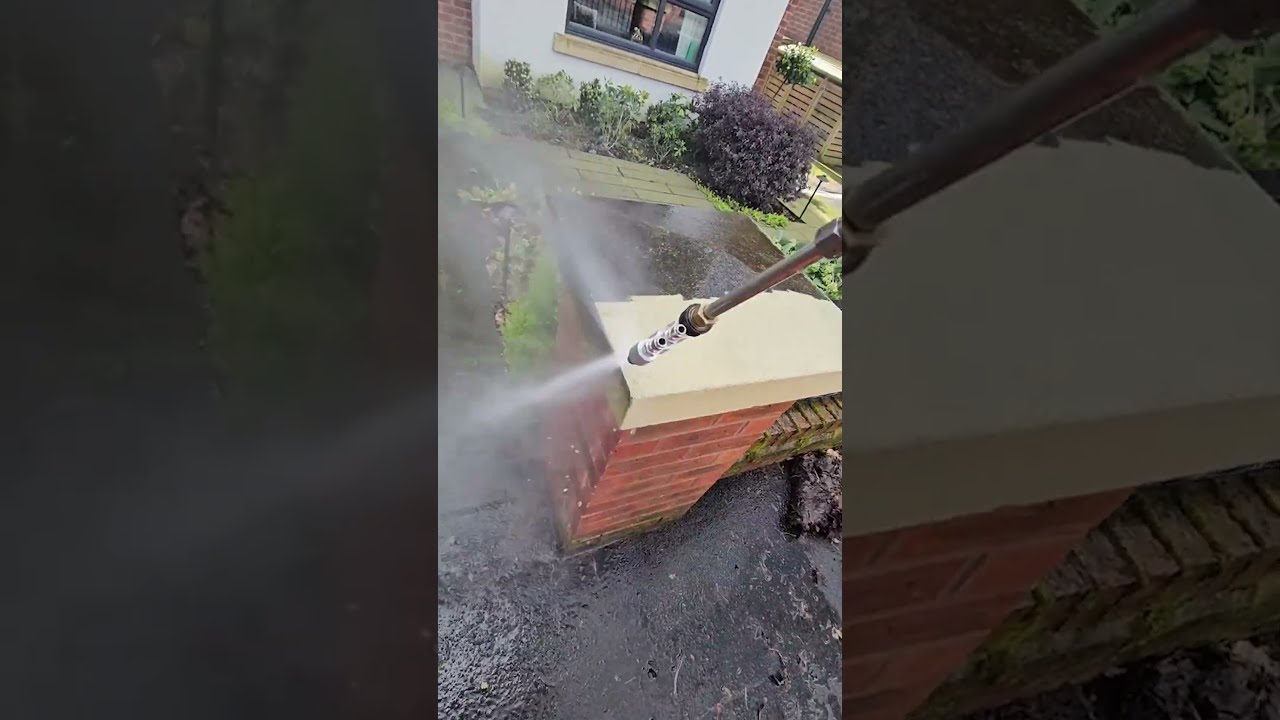
The most common cause of joint sand loss is the improper use of high-pressure cleaners. Holding a narrow pressure nozzle directly over joints blasts the sand out in seconds. In Rockhampton’s humid climate, empty joints quickly fill with airborne seeds, organic debris, and moisture, accelerating weed proliferation and fungal growth. Cleaning pavers effectively requires balancing enough pressure to lift grime with gentle rinsing techniques that leave the jointing material undisturbed.


Step-by-Step Cleaning Process
To refresh your outdoor paving without washing out the sand, follow this structured, low-impact process:
- Dry sweep the area: Begin by thoroughly sweeping the surface using a stiff-bristled broom to clear loose dirt, leaves, and debris before adding any water.
- Apply a cleaning solution: Wet the pavers lightly with a standard garden hose. Apply an organic, paver-safe detergent or a diluted solution of water and biodegradable outdoor surface cleaner to lift stains, grease, and biological growth.
- Agitate with a broom: Work the cleaning solution into the textured paver surface using a deck scrub brush or push broom. Let the solution dwell for 10 to 15 minutes without allowing it to dry out completely.
- Rinse with a wide fan pattern: Rinse the area using a garden hose with a spray nozzle or a pressure washer set to low pressure (under 1,500 PSI). Maintain a wide 40-degree fan nozzle and hold the wand at a shallow 45-degree angle to the surface rather than pointing straight down into the gaps.
Best Practices to Protect Paver Joints
Maintaining joint stability requires proper technique and preventative care, especially when maintaining expansive outdoor living zones.
- Sweep across joints diagonally: Always direct brooms and water spray diagonally across joints rather than parallel to them to minimise dislodgement.
- Upgrade to polymeric jointing sand: Modern polymeric sand contains specialized chemical binders that activate upon wetting, curing into a firm, elastomeric joint that resists erosion from rain and gentle washing.
- Avoid 0-degree red-tip nozzles: Never use pinpoint pressure tips on paved surfaces, as they will cut through jointing compound and etch delicate concrete pavers.
- Apply a penetrating paver sealer: Sealing paved areas forms an invisible protective barrier that locks the sand in place and makes future cleaning possible with simple low-pressure rinses.
Ongoing Maintenance for Rockhampton Properties
Central Queensland weather alternates between dry, dusty conditions and intense seasonal downpours. Inspect your paved areas biannually. If minor sand loss occurs after a storm or https://beckettmwdz667.vantagequill.com/posts/why-clean-driveways-deter-household-pests-in-central-qld regular wash, sweep dry, kiln-dried silica sand or polymeric sand back into the joints when the surface is completely dry. Adopting these proactive washing and sealing methods ensures your outdoor spaces remain stable, weed-free, and visually striking year-round.
Capricorn House Washing
0482 073 600